What is sustainable development?
Development can be classified as sustainable when it meets our own needs without compromising the ability of future generations to meet their own needs as well.
Sustainable planning strategies can help small communities like Hudson achieve their goals for growth and development while maintaining their distinctive character.
- Planning where development should go can help a smaller community encourage growth in town, so businesses can thrive on a walkable main street and people can live close to their daily destinations.
- Policies and bylaws that protect the natural environment help preserve green spaces, protect air and water quality, provide places for leisure activities and create tourist attractions that bring investments into the local economy.
- Policies that support walking, biking, and public transit help reduce air pollution from vehicles.
Good examples of sustainable development
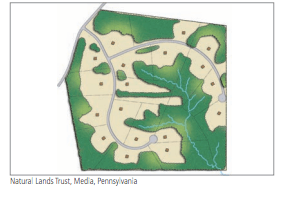


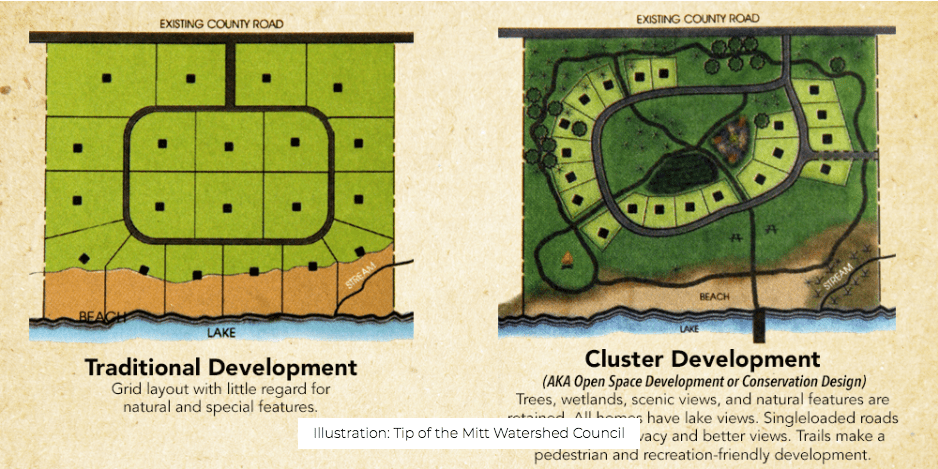
Nature Hudson is dedicated to making the case for finding the balance between conservation and appropriate development. Examples of good practice include:
- Alternative styles of development that favour conservation , allowing for natural environment features like wetlands, heritage trees, ponds, and wooded areas of interest to be preserved forever.
- Sustainable development plans take into account natural features as well as property elevations and select land for development based on this.
- Embrace flexible housing, which includes the following elements—granny flats, in-home apartments but also work-from-home suites.
- Develop visitable housing that allows elders to remain in their community.
- Provide a mix of housing that allows for multi-generational living as well as for persons from different socio-economic classes to mix together and learn from each other; no gated communities
 Nature Hudson